

Issue #422: Artists, Stick to Your Guns. Gamers, Play the Hand You're Dealt.

If you haven’t seen the first episode of Mad Men, I recommend it. It’s one of the finest episodes of television ever. You can watch it over and over, you can teach it every semester. Like any truly great piece of art, there’s no limit to what one can draw from it.
The episode involves Don Draper pacing, taking naps, pleading to his paramour. What can he do about the Lucky Strike account? Don’s furtive, but also occasionally sloth-like, confrontation with inspiration’s absence is some of the most evocative footage ever shot.
Eventually, he figures it out. “We can say anything we want.” And he proposes a slogan for Lucky Strike: “it’s toasted.”
Often, when writing the newsletter, I feel like Don Draper struggling to come up with an idea for Lucky Strike. Wearing a hole in the floor, looking for answers everywhere but the typewriter. What the hell am I supposed to write about? But then it hits me. I can write about anything I want. Here’s today.
Ask Not What Evangelion Can Do for You, but What Yoko Taro Can Do for Evangelion
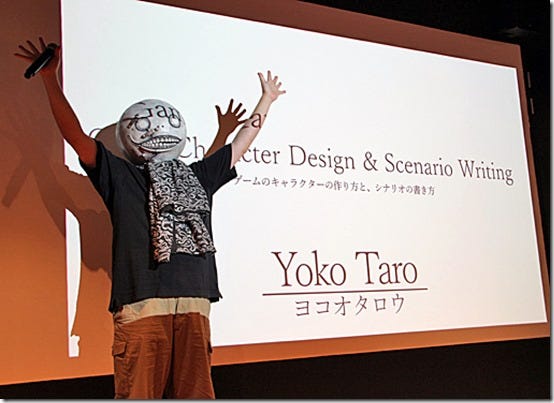
Big news for the letter: Yoko Taro is writing a new Neon Genesis Evangelion anime series. Evangelion is epochal. It stands above nearly all other works for its enormous significance to the medium of animation. Yoko Taro is a titan in his own right, the writer of games acclaimed and otherwise: Drakengard (2003), Nier (2010), Drakengard 3 (2013), Nier: Automata (2017), Nier Reincarnation (2021), and Nier Repilcant ver.1.22474487139… (2021). It’s big news, too, because Taro’s Paradox Newsletter subscriber analytics suggest he at least opens the emails some of the time. Though I have been an admirer of his since 2003, he started reading my work in 2017 when I wrote about Nier: Automata. One of the few Paradox Newsletter Audio Supplements is about 2021’s Nier Replicant.
Audio Supplement to Issue #169: Nier Replicant ver.1.22474487139

In this first-ever episode of the Audio Supplement, Cory Rabiea and I discuss the recently released Nier Replicant ver.1.22474487139 and Yoko Taro’s oeuvre. This is a companion to the May 3rd, 2021 newsletter issue #169, “All About Nier.”
Yoko Taro is working on the new Evangelion while getting the newsletter in his inbox. I thought about the power this might give me. Could I move the needle on the series? Write something to imbed some unconscious suggestion about what the future of Evangelion should be?
But I’m not so prescriptive. I don’t care what Yoko Taro makes, as long as it’s good. I would rather not have agency to influence the output of the greatest artists who ever lived. This Evangelion will probably be good because he made it. I will critique rigorously after the fact, but great artists should only compromise or alter their vision based on consultation with trusted collaborators. And maybe not even then.
So, Taro, good luck. Ignore the backseat writers. I want to see Yoko Taro’s Evangelion.
VG Digest Q1 2025 or Slay the Spire 2 for Magic Players
What makes a good game? My criteria is pretty simple. I like something that can offer me diverse gameplay experiences. If a game can significantly change how it unfolds each time, that’s a real positive. A game that also changes my choices, changes what I would consider the correct choice in any given situation, that is real dynamism. Let me give an example of what I mean.
Magic: the Gathering isn’t a simple game. But my favorite way to play, draft, means that one need not bring anything to the table other than maybe a playmat, a dice, and some card sleeves. Magic is already diverse and dynamic, the variables of randomized drawing of cards and unknown information about the opponent guarantees that. But drafting brings this to the next level. Parallax Wave is a great card:
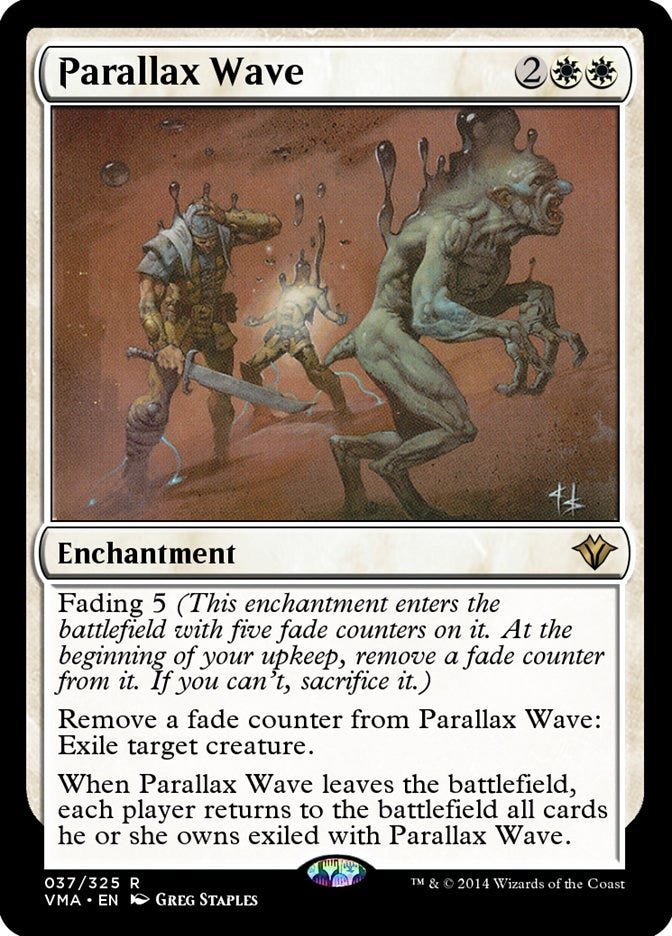
Seeing it early in a draft means you would pick it with certainty. But, as the draft evolves, you may not be in its color — white. Even if it’s the most powerful card in a pack late in the draft, you might pass it if you have no possibility of being able to play it. A limitation in your resources is the most common reason for why card evaluation in a draft would change. But there are plenty of other reasons: synergies or ‘signals’ one received based what gets passed. Usually the choices are more interesting than Parallax Wave versus the next best card, since so few cards are as good.
Offering different builds, synergies, and changing the way one makes choices is something many of the great, replayable “roguelites” have delivered. The latest critical hit? Slay the Spire 2 (2026).
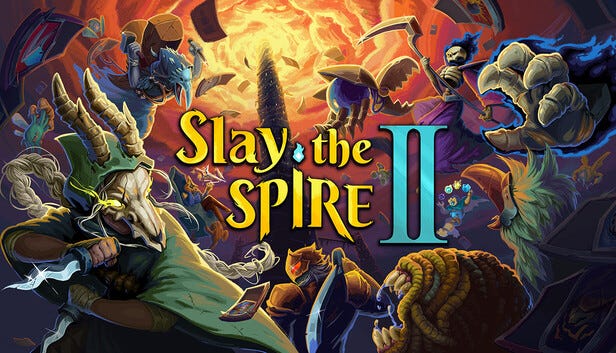
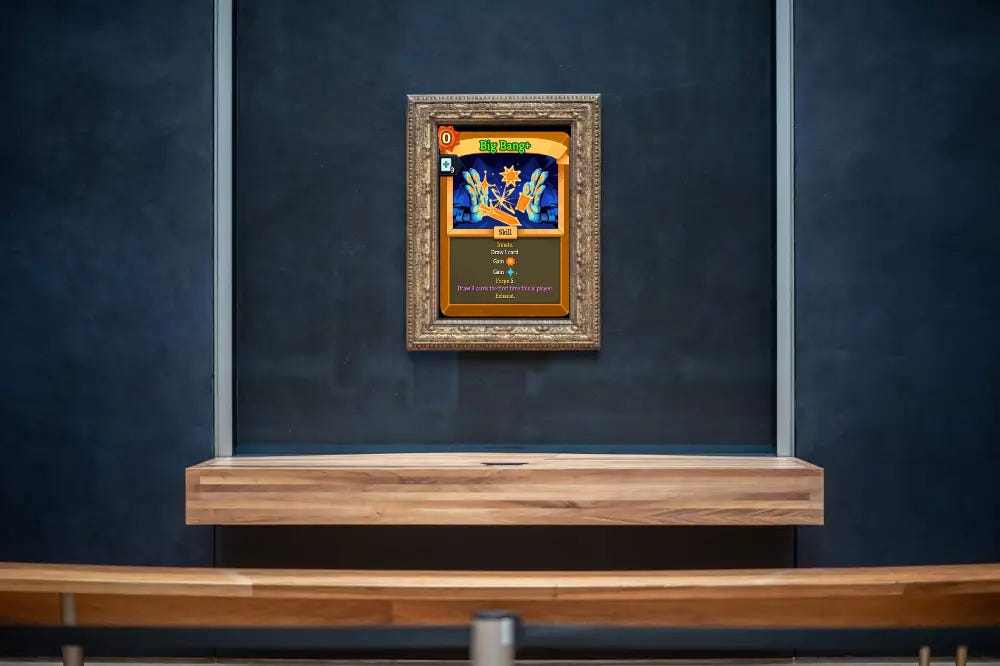
Mega Crit’s new “roguelike deckbuilder” stands at the top of the genre heap once again. For Magic players, there’s so much to love. Does this card look familiar?


Still, something doesn’t look quite right. Maybe if you taped an Ancestral Recall to this:
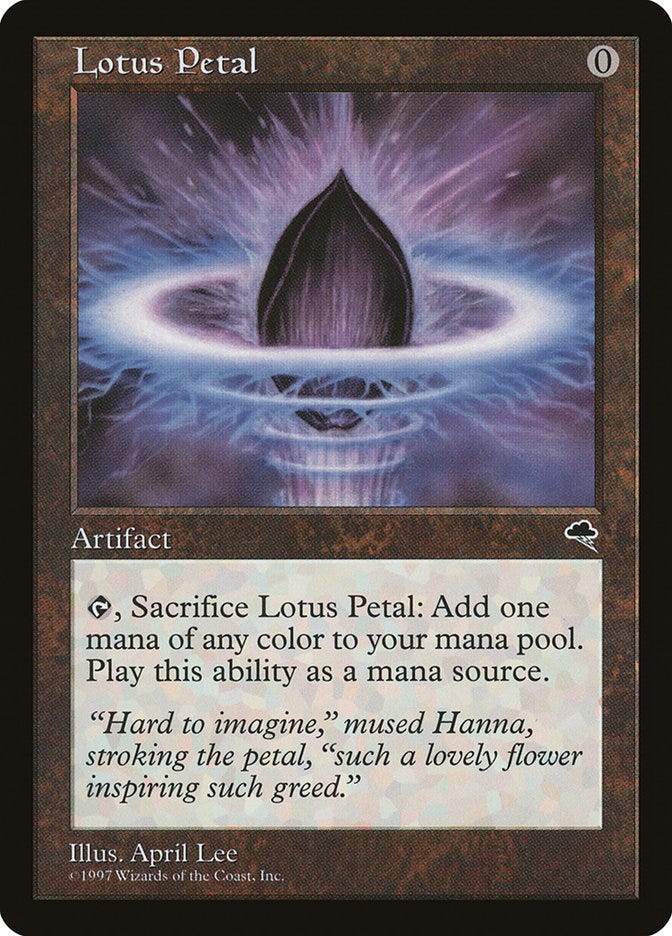
Wait, Innate does what? And what the hell is Forge? There are familiar mechanics for Magic players in STS2: Sly is roughly equivalent to Madness, though Sly means when one discards a card they always play it for free rather than having the option to play it for an alternative cost.


I’ve found the most similarity between STS2 and Magic in the Silent character.


STS2 also has important mechanical similarities to post-Magic TCGs. Magic has high rules complexity because of the “Instant” card type. Being able to play on one’s opponent’s turn, and having to play around what an opponent might do, makes decisions more difficult and makes any given turn cycle slower than it would otherwise be. As a result, the ability to play on the opponent’s turn is usually the first thing to go in a new TCG to minimize complexity and keep things progressing smoothly. STS2 is no exception.
My appreciation for games like STS2, Balatro (2024), Q-Up (2025), and Magic is both because I like the design choices they make and, as a result of those design choices, the game is never the same twice. That is a very different set of standards than the ones I use for single-player, narrative based games. I don’t have the same rigid rubric for these kinds of games. While I like dissecting and reverse-engineering their design, whether I like or dislike individual design choices does not necessarily mean I will or won’t like the game as a whole. Japanese RPGs, for instance, are sometimes brutish and unfriendly in their design. My favorite games from the “golden era” of PS1 JRPGs might benefit from some quality of life (QoL) upgrades.
Those kinds of user-friendly design choices have come to JRPGs more and more in the last decade. Although some developers are still stuck on the atrocious design of the ‘daily life’ sim with an incrementing calendar originated in Persona 3 (2006), more and more often JRPGs finally abandon the idea of a “missable” and leave the game’s side-content and powerful items available for exploration at any time passed certain progression checks. Octopath Traveller 0 (2025), the acclaimed Clair Obscur: Expedition 33 (2025), and Dragon Quest VII: Reimagined (2026) are great examples of this kind of structure.
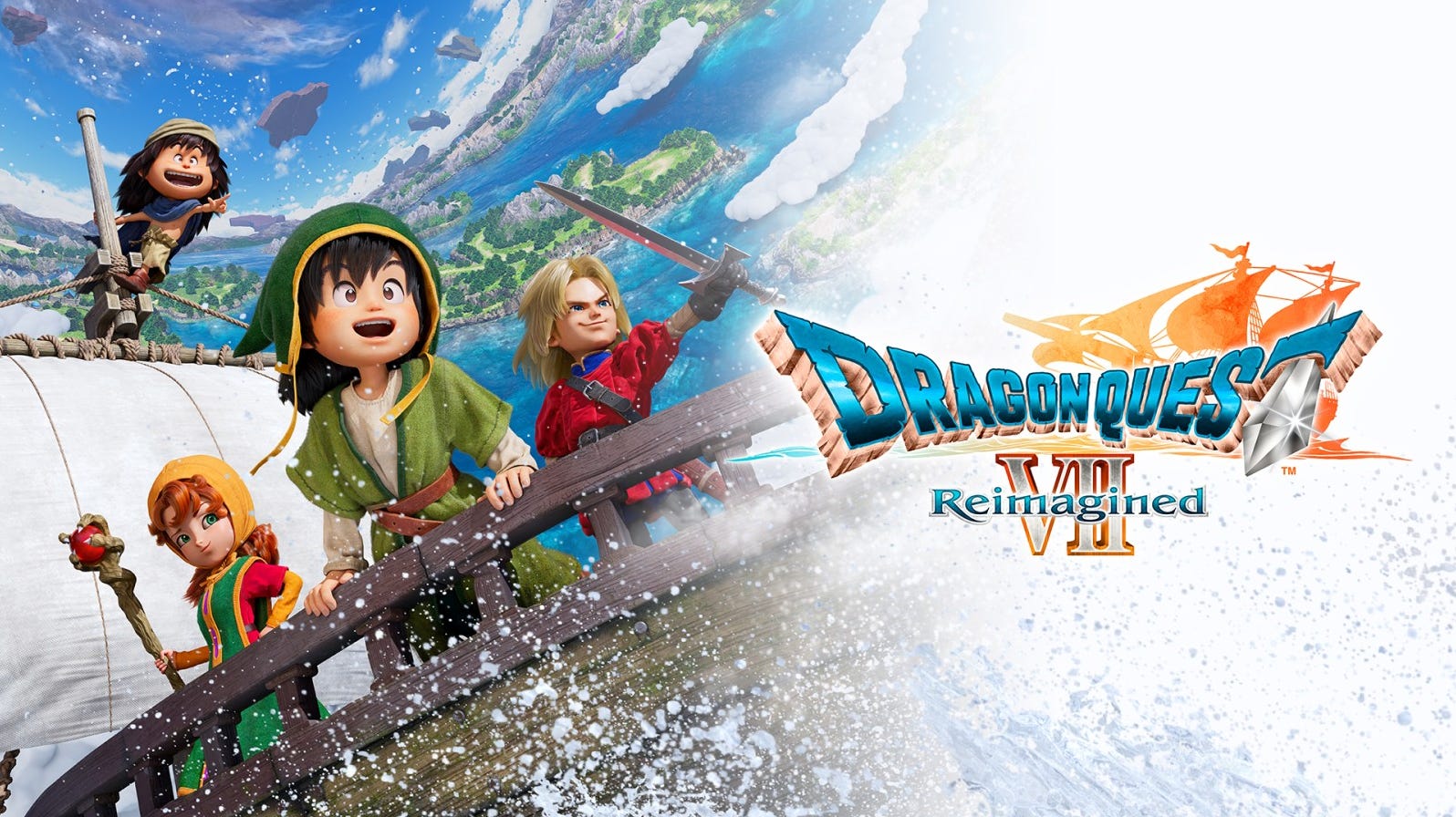
Before I picked up STS2, I had just finished DQVII: Reimagined. It’s a hell of a game, one of those that is so much more than the sum of its simple, retro parts. It, too, makes available a wide range of gameplay experiences depending on your preferences. Though most people who play the game will probably just beat it once, with one suite of settings that matches their desired difficulty.
When it comes to games, ‘good’ design isn’t everything. And ‘good’ or ‘bad’ is subjective depending on what criteria you set. But even the criteria I avow as that which determines what I like is subverted all the time. Or sometimes those preferences are simply inconsistent. My favorite games often don’t match my stated preferences for how a game should be made. They’re great games, too: beautiful because of their ‘bad’ design, at times. What we love is often for its flaws.
Weekly Reading List
Rarely does a visitor to the Criterion Closet act like a film critic. Mostly they just point to films they like or mention some personal connection they might have with a film. It’s uncommon to have a guest discuss a film’s merits, peculiarities, and do some analysis. On that score, Shinichiro Watanabe delivered. What an awesome guest to the closet.
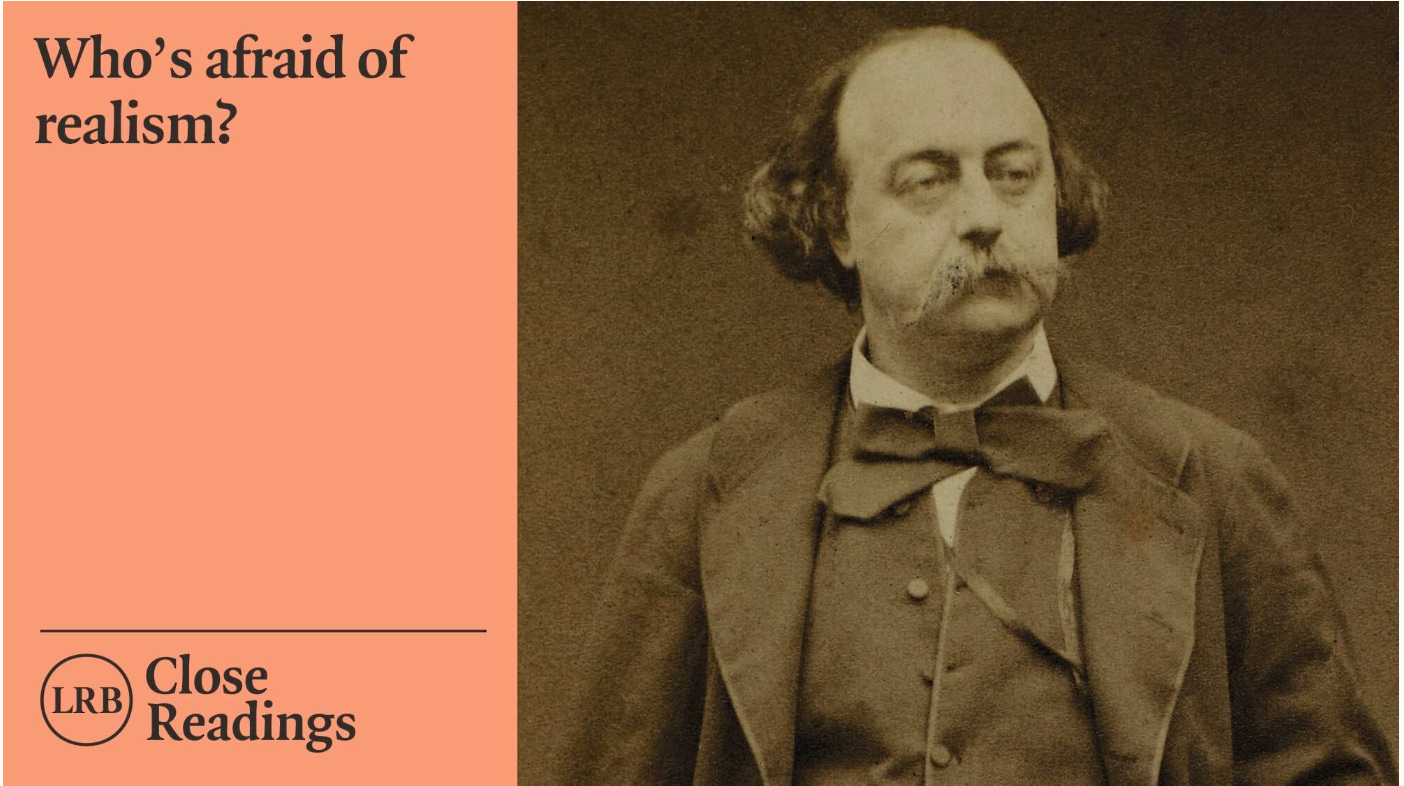
https://www.lrb.co.uk/podcasts-and-videos/podcasts/close-readings/who-s-afraid-of-realism-madame-bovary-by-gustave-flaubert-part-one — James Wood’s “Who’s Afraid of Realism?” series has been great this year, beginning with a consideration of Madame Bovary (1856) in the context of realism and now having moved on to Dostoevsky.
Event Calendar: Boston Underground Film Festival
The Boston Underground Film Festival (BUFF) is running this month. I’ve added a number of listings for their premiere programming. Very excited to catch some of these.
Until next time.