

Issue #429: Music League is Here Again
Let’s get this out of the way quick: Music League is back. You can join here: https://app.musicleague.com/l/87b7b82585ec42f5b7d8fdd267db5ee4/
And you better do it quick. I shared the link in the paid subscriber Discord early last week. This first round closes at the end of the week. I’ll be writing about the playlists the week after they release.
This week, I am planting some seeds for subsequent writing.
The Mystery and Mysticism of Xenogears
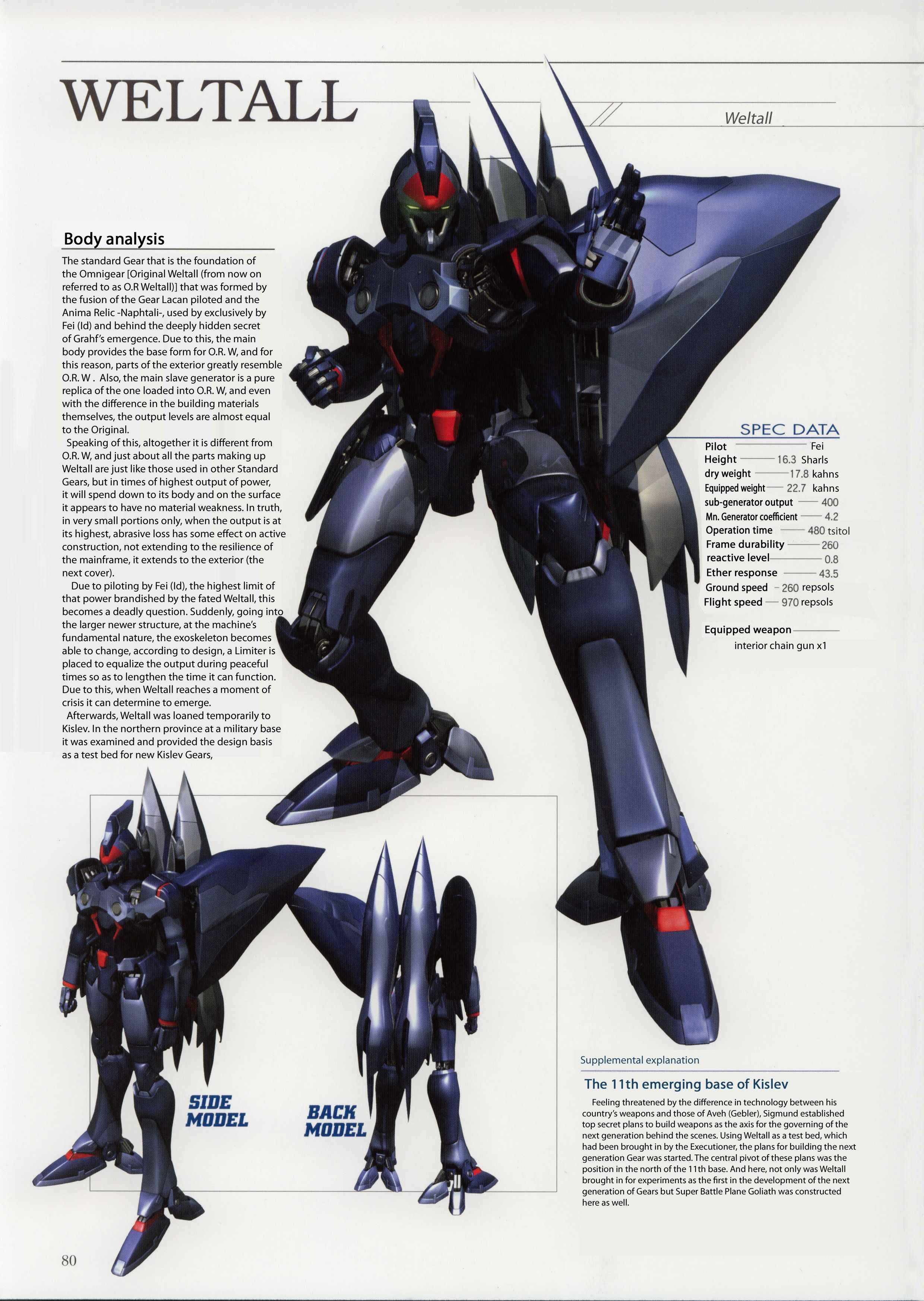
The first directorial effort from game designer Tetsuya Takahashi, Xenogears (1998), has cast a shadow over his career as imposing as the “monstrous” Weltall on the game’s cover. Co-created with his wife, Kaori Tanaka, Xenogears is a singularly mythologized video game. The Perfect Works (1998) companion book is available in various English translations, including UltimateGraphics’ attempt, and the partially translated “study guide.” Xenogears: A God Slaying Story (1998), a prequel novel, has just recently been fan translated. When I was in middle school, I had an enormous binder filled with the printed pages of the Xenogears: God and Mind Novelization (1999) by the semi-anonymous author Dark.
His website is now defunct and no longer houses the novelization’s files. However, I have them archived here:
Fascination around the game comes from its heady philosophical references, release during the heyday of Japanese RPGs, and unusual game design. Xenogears has a robust, well-animated combat system inputting commands that can combo together in the style of fighting games. This atypical approach to combat has rarely been emulated — though Sony’s Legend of Legaia (1998) would feature somewhat similar combat releasing about ten months after Xenogears.
Takahashi is unquestionably an auteur, as he has worked across three publishers and two development teams in an attempt to work through Xenogears’ themes. In 2002, he would begin the Xenosaga series for Namco. Xenoblade Chronicles, a still-ongoing series started in 2010, is his most recent attempt.

I’ve been thinking about Xenogears in part because of a great deep-dive podcast, *Retrograde Amnesia* (2019). The podcast has covered a wide range of classic games, but Xenogears was the first covered to the tune of fifty-five or so episodes. Even in those early episodes, hosts Eric Laymen and Chris Stone are attentive to the little things. They cut in dialogue and soundtrack bits. They uncover the source of mysterious vocalizations in the song “Knight of Fire,” which Yasunori Mitsuda somehow sampled from Christian Brando’s murder trial: “total sentence imposed is ten years.”
I am just beginning my long overdue listen of the Retrograde Amnesia season on Xenogears, but I’m planning on pairing it with a play through of the game’s Perfect Works Build. Laymen and Stone reflect often in their recording on the disparity between how they received the game as teenagers and how they encounter it as adults. For the most part, their adult reaction reveres the work of Takahashi. Having played the game relatively recently, I agree it is as fascinating as ever. I haven’t re-read Dark’s novelization recently, however, so I imagine looking it over again could lead to a dissonance between my enthusiasm for it as a young person and my view of it now. Still, like most things even tangentially related to this game, it deserves to be preserved.
Weekly Reading List
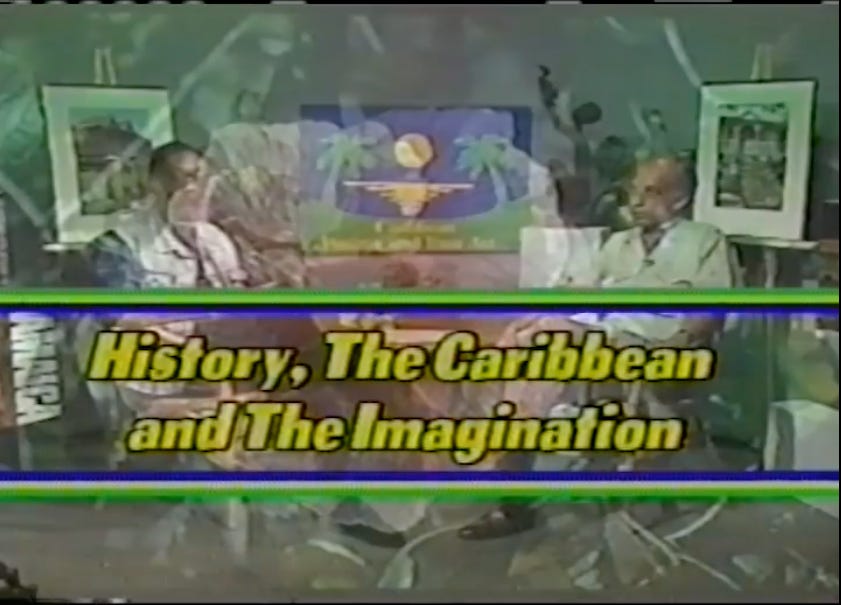
https://umiami.mediaspace.kaltura.com/category/Caribbean+Writers+Summer+Institute+Archival+Video+Collection/87964161 — The University of Miami maintains a singular video archive including several years of the Caribbean Writers Summer Institute. I highly recommend reviewing these remarkable discussions, interviews, and readings.
Payton Pritchard highlights.

I’m back on Yowamushi Pedal (2008) after a long haitus from reading. It will soon publish its 100th volume. What an achievement.
Event Calendar: When You Have the Chance To See a Hitchcock Film in Theaters, Do It
Lots of good stuff on the calendar this week. Along with a bunch of Hitchcock, Kiyoshi Kurosawa’s Serpent’s Path (1998), Spider’s Eyes (1998), and Cure (1997) are coming to the Brattle.
The underrated Robert Townsend’s Hollywood Shuffle (1987) will also screen at Coolidge in May.
Until next time.